

NATO, U.S. Navy and European Armies Lead New Wave of Defence Transformation
NATO chief should be championing a stronger, more equal alliance with Europe as its pillar — not tearing it down.
NATO’s stance on Europe’s security dependence on the U.S. continues to shape debates on strategic autonomy.
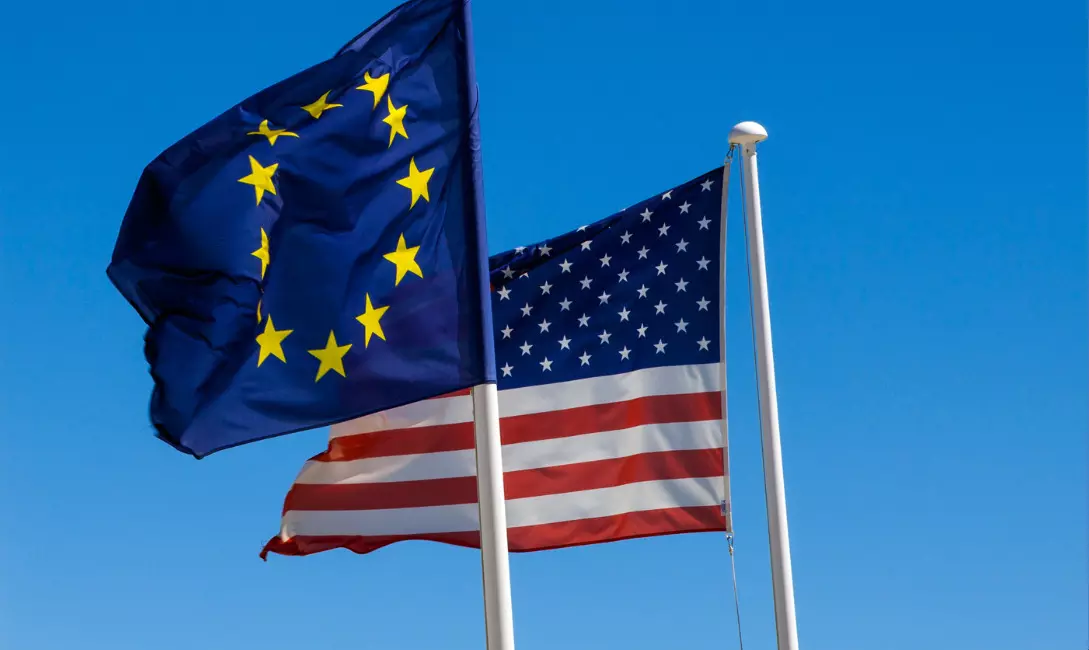
In an interview with the European Parliament on Tuesday, NATO Secretary-General Mark Rutte said that Europe cannot defend itself without the U.S., brushing aside skeptics with the remark that they should “keep dreaming.”
With these comments, Rutte did more than merely state the reality of Europe’s military dependence on Washington. He codified it as a political dogma. He also presented himself less as the leader of an alliance of sovereign partners and more as the advocate for Europe’s strategic surrender.
Rutte’s comments perpetuate a dangerous narrative about European defence cooperation that has become familiar to the point of being automatic: Nuclear deterrence is synonymous with U.S. security guarantees; U.S. security guarantees are synonymous with European security; European strategic autonomy is therefore a fantasy.
The problem with this logic is that it doesn’t actually stand up to scrutiny.
For starters, while Europe’s NATO defence policy balance with Russia very much relies on nuclear deterrence, the majority of realistic security threats facing Europe and North America — whether hybrid aggression, terrorism or limited conventional attacks — fall well short of nuclear escalation.
That’s why NATO’s new military modernisation strategy explicitly recognizes the need for robust conventional defenses. Simply focusing on the nuclear aspect ignores just how crucial conventional readiness and capacity — including troops on the ground, resilience, logistics, quality intelligence, air defense and industrial base — will be in a future conflict. And Europe is lacking in many of these areas by design.





